
Last Updated On:
October 31, 2026
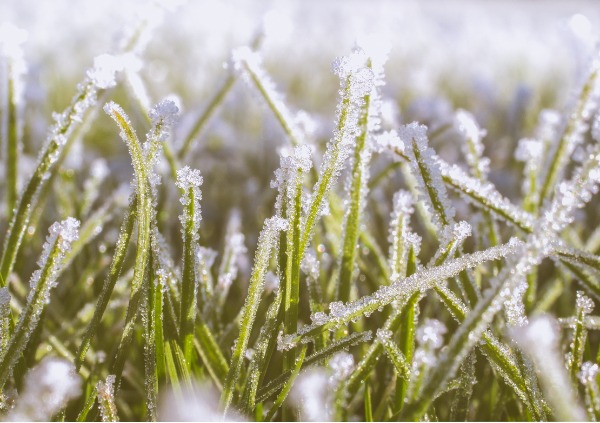
Louisiana's mild winters and humid climate create unique lawn care needs. Warm-season grasses such as St. Augustine, centipede, bermuda, and zoysia slow their growth as temperatures drop, making fall and winter important times to protect turf and prepare for spring.
Even when grass becomes dormant, seasonal maintenance can help prevent disease, discourage weeds, and protect the lawn from unnecessary stress. Here are seven tips to help Louisiana homeowners maintain healthier grass throughout the colder months.
As temperatures cool, Louisiana's warm-season grasses grow more slowly and require less frequent mowing. Continue cutting the grass as needed, but avoid mowing it too short before winter. Maintaining the appropriate height helps protect the turf as it enters dormancy.
Tips for adjusting your mowing routine:
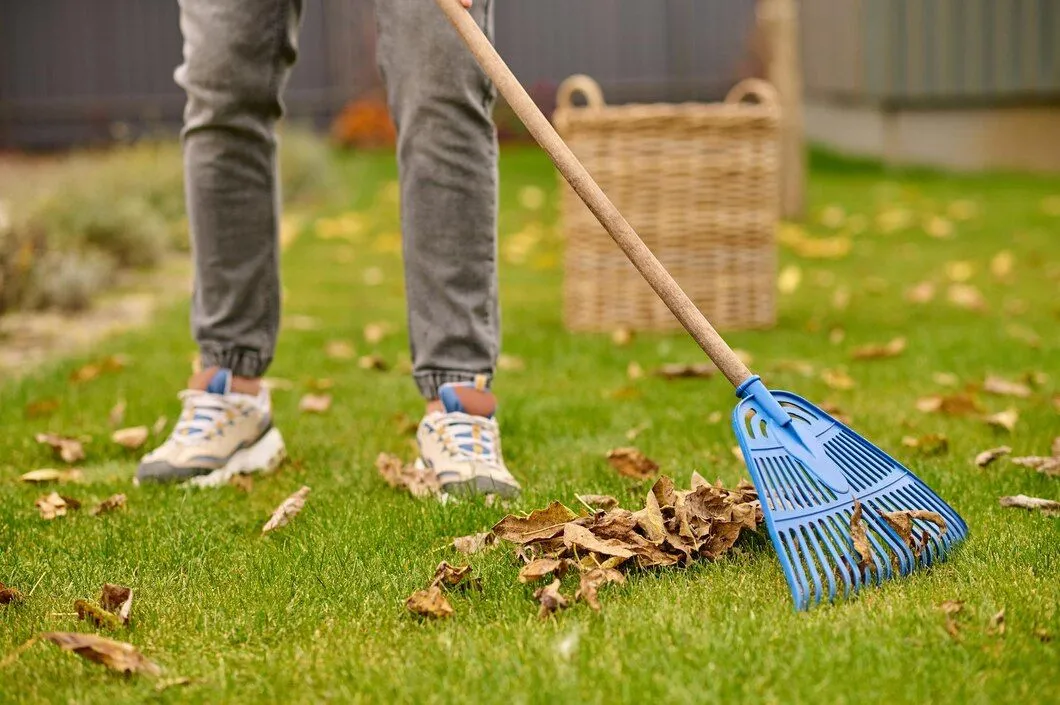
Louisiana's fall weather brings leaves, pine needles, and branches that can accumulate across the lawn. Thick layers of debris block sunlight and trap moisture against the grass. Regular cleanup helps prevent these problems and keeps the lawn exposed to the air and light it needs.
Tips for managing fall lawn debris:
Warm-season grasses need adequate nutrients during active growth, but excessive nitrogen late in the fall can encourage tender new growth before winter. This is particularly important for centipedegrass, which generally requires less fertilizer than other common Louisiana grasses. Adjust your fertilization schedule based on grass type and soil conditions.
Tips for managing fall fertilization:
Louisiana's winter rainfall often provides enough moisture for dormant warm-season grass. Since turf uses less water as growth slows, continuing a summer irrigation schedule can leave the soil unnecessarily saturated. Monitor rainfall and soil moisture to determine when additional watering is needed.
Tips for winter lawn watering:
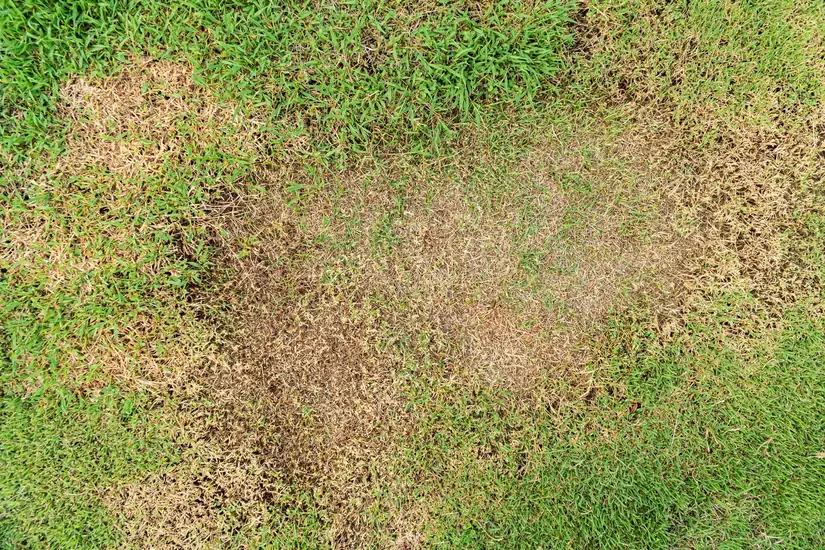
Large patch is a common lawn disease in Louisiana that affects warm-season grasses, particularly St. Augustine and centipedegrass. It develops during cooler, wet conditions and creates circular or irregular patches of yellow, orange, tan, or brown grass. Monitoring your lawn throughout fall and winter can help you catch symptoms before the damage spreads.
Tips for managing large patch disease:
As warm-season grasses slow down, cool-season weeds take advantage of thinner turf and open spaces. Annual bluegrass, henbit, chickweed, and lawn burweed are common winter weeds in Louisiana. Fall is an important time to prevent these unwanted plants from establishing themselves.
Tips for controlling winter weeds:
Louisiana's mild winters don't mean homeowners can ignore their lawns until spring. Adjusting mowing and watering habits, removing debris, monitoring disease, and preventing winter weeds can help protect warm-season grass during dormancy.
If you're unsure how to prepare your property for colder weather, professional lawn care can help you address seasonal problems and develop a maintenance plan suited to Louisiana's climate. Contact us today to learn more about our lawn care services and request a free estimate.
Q: Should You Fertilize Your Lawn During Fall in Louisiana?
A: Most Louisiana warm-season lawns should not receive high-nitrogen fertilizer during late fall or winter. Late applications can encourage vulnerable new growth and increase the risk of winter injury and disease.
Q: When Does Grass Go Dormant in Louisiana?
A: Most warm-season grasses begin slowing down during fall and enter partial or complete dormancy by late November or December. The timing depends on grass variety and local temperatures.
Q: Should You Water Your Lawn During Winter in Louisiana?
A: Winter rainfall often provides enough moisture for dormant grass. However, supplemental watering may be necessary during extended warm, dry periods.
Q: What Lawn Diseases Are Common During Louisiana Winters?
A: Large patch is a common disease during Louisiana's cooler, wetter months. It frequently affects St. Augustinegrass and centipedegrass, producing circular areas of yellow, orange, tan, or brown grass.
Q: What Weeds Grow in Louisiana Lawns During Winter?
A: Common winter weeds include annual bluegrass, henbit, chickweed, and lawn burweed. These weeds establish themselves as warm-season grass growth slows.
Q: Should You Aerate Your Lawn in Louisiana During Fall?
A: Fall aeration generally isn't recommended for common warm-season grasses because they are preparing for dormancy. Late spring and early summer are typically better times because actively growing grass can recover more quickly.


If you are looking for a reliable lawn care company in Lafayette & Baton Rouge, then look no further. Brothers Lawn Service & Landscaping is your full-service lawn care expert and we promise a 100% satisfaction guaranteed! We ensure the quality of our service by providing personal attention to each and every lawn.