
Last Updated On:
October 31, 2026
Sprinkler problems are easy to overlook during the busy growing season. A broken head might leave a small dry patch, a leaking connection may go unnoticed, or an uneven spray pattern might not seem like an urgent concern. Once fall arrives and irrigation needs begin to decrease, however, these issues become easier to address.
Fall sprinkler repairs can help protect your system, prevent existing problems from getting worse, and make it easier to start the next watering season without a long list of maintenance tasks. While repairs can be handled whenever a problem appears, taking care of them before winter offers several practical advantages.
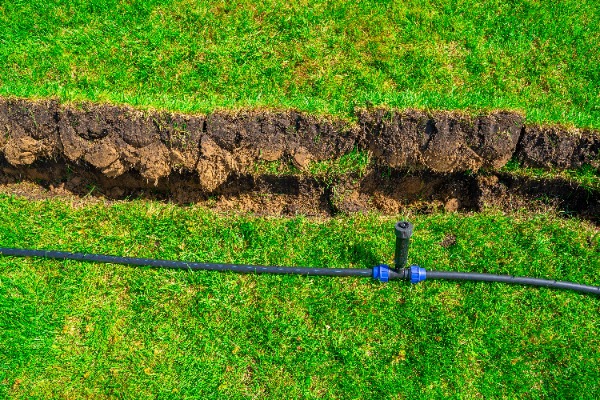
A minor sprinkler issue might not seem like a major concern, especially when your lawn is no longer relying on frequent watering. However, leaving a problem unresolved can create additional headaches when you turn the system back on.
A damaged sprinkler head, loose fitting, or malfunctioning valve can affect the performance of an entire irrigation zone. Addressing these issues in fall gives you an opportunity to correct them before they interfere with spring watering.
Common problems worth addressing include:
Sprinkler systems often work hardest during summer. Frequent watering cycles, lawn maintenance equipment, foot traffic, and shifting soil can all contribute to wear and tear.
By fall, your system may have developed problems that were not noticeable earlier in the season. A mower might have damaged a sprinkler head, or repeated use may have exposed a weak connection. Inspecting and repairing these components can help restore proper operation before the system sits unused for an extended period.
Not every sprinkler leak creates an obvious puddle. Some leaks occur underground or around fittings where water can seep into the soil without attracting much attention.
Even a small leak can waste water and contribute to soggy areas, soil erosion, or inconsistent irrigation. Fall is a useful time to investigate unexplained wet spots, unusually high water use, or areas of the lawn that remain saturated.
Signs your system may have a leak include:
A sprinkler system needs to distribute water evenly to support consistent lawn growth. Damaged heads, clogged nozzles, and poor spray alignment can leave some areas too wet while others receive too little water.
These problems may be easier to notice when reviewing the system after a full season of use. Repairing or adjusting sprinkler components in fall can help improve coverage and reduce the risk of uneven watering when irrigation starts again.
It is also a good opportunity to check whether landscaping changes, growing plants, or shifting soil have affected the placement and performance of sprinkler heads.
If your area experiences freezing temperatures, sprinkler winterization is an important part of seasonal maintenance. Water left inside irrigation pipes and components can freeze, expand, and cause damage.
Repairing known problems before winterization can make the process more straightforward. For example, damaged valves, leaking connections, and malfunctioning components may complicate maintenance or make it harder to prepare the system properly.
Taking care of repairs before winter can help you:
Spring is a busy time for lawn and landscape maintenance. Homeowners are preparing planting beds, scheduling lawn treatments, and getting outdoor spaces ready for regular use.
Discovering several sprinkler problems when you first turn on your system can add another task to an already full schedule. Handling repairs in fall can reduce the number of issues waiting for you when the next watering season begins.
It also gives you more time to plan for replacement parts or larger repairs that may require additional work.
As temperatures cool and grass growth slows, many lawns need less supplemental watering. This can make fall a convenient time to schedule sprinkler maintenance without disrupting your regular irrigation routine.
You do not have to wait until fall to repair a broken sprinkler. Problems should be addressed whenever they appear. However, the transition away from frequent summer watering can create a useful opportunity to inspect the system, identify worn components, and take care of repairs before winter.
Q: Is fall a good time to repair a sprinkler system?
A: Fall can be a convenient time to address sprinkler problems because irrigation needs often decrease as temperatures cool. However, repairs should be completed whenever an issue is discovered.
Q: Should I repair my sprinklers before winterizing the system?
A: Addressing known problems before winterization can make seasonal maintenance easier. It also gives you an opportunity to identify damaged components that may need attention before freezing weather arrives.
Q: What happens if I leave a broken sprinkler head unrepaired?
A: A damaged head can cause uneven watering, water waste, and pooling. Leaving it unresolved may also make it harder to identify other irrigation problems later.
Q: How can I tell if my sprinkler system has an underground leak?
A: Persistent wet spots, soggy soil, unexplained water usage, and reduced pressure can indicate an underground leak. A professional inspection can help locate the source.
Q: Can sprinkler repairs help reduce water waste?
A: Yes. Fixing leaks, replacing damaged heads, and correcting spray patterns can help prevent water from being wasted through runoff or overspray.
Q: Should I wait until spring to have my sprinkler system inspected?
A: You do not need to wait. Inspecting the system in fall can help you address existing problems before winter and reduce the amount of maintenance needed when watering season returns.


If you are looking for a reliable lawn care company in Lafayette & Baton Rouge, then look no further. Brothers Lawn Service & Landscaping is your full-service lawn care expert and we promise a 100% satisfaction guaranteed! We ensure the quality of our service by providing personal attention to each and every lawn.