
Last Updated On:
September 25, 2026
Yellow grass is often a sign that something is interfering with normal turf growth. While some discoloration is temporary, persistent yellowing can indicate problems with watering, nutrients, pests, disease, or growing conditions. Identifying the underlying cause is important because simply adding more water or fertilizer may not solve the problem.
We have put this blog post together to help you identify some of the most common reasons grass turns yellow so you can determine what may be affecting your grass and take steps to improve lawn health.
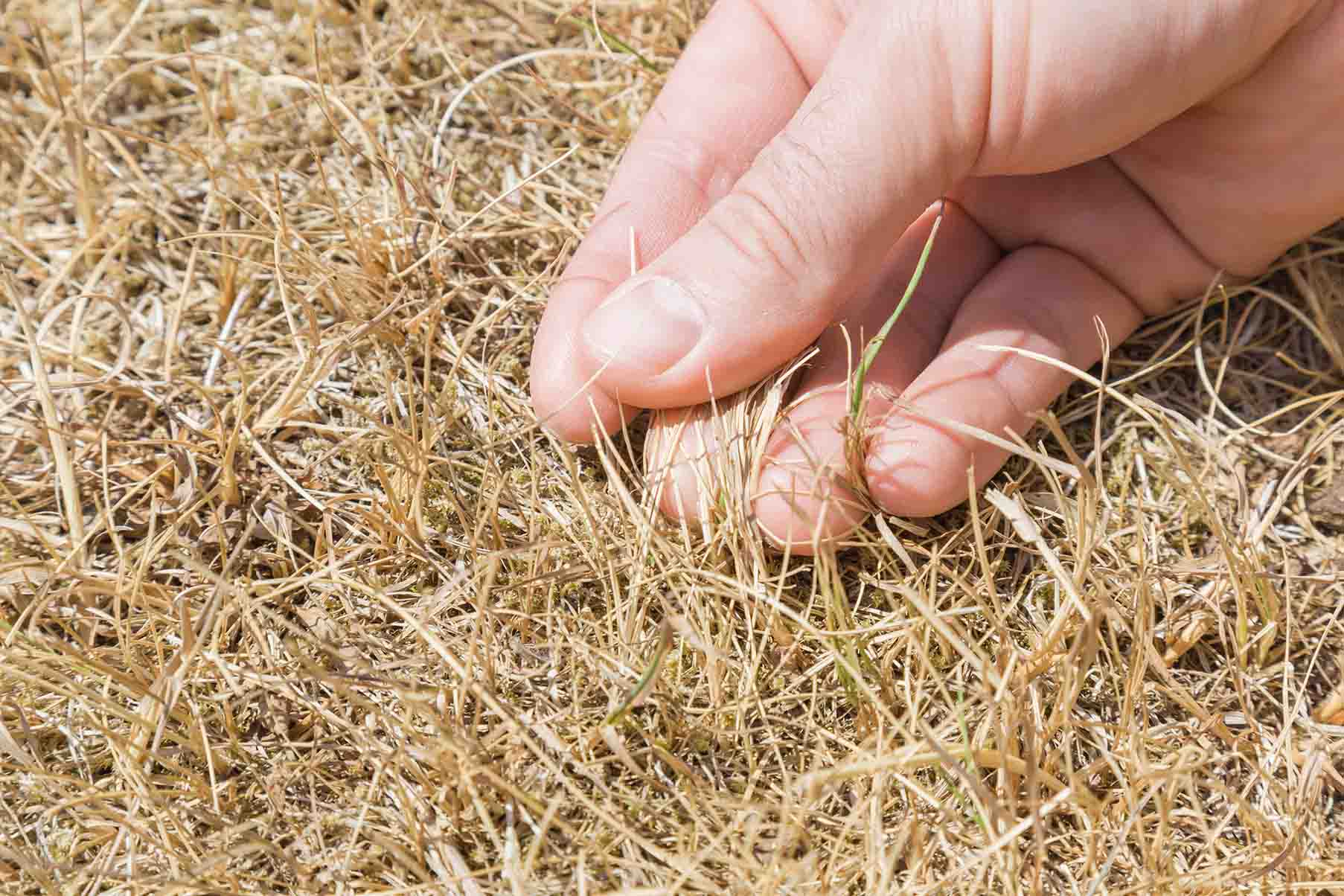
Grass needs consistent moisture to maintain healthy growth and color. During hot or dry weather, insufficient watering can cause turf to lose its green appearance as the plants conserve moisture. Yellow or straw-colored grass may be especially noticeable in areas that receive full sun or have shallow soil.
Underwatering can also weaken the root system over time. Grass that repeatedly experiences moisture stress may become thinner and less capable of recovering from heat and drought.
Too much water can cause yellow grass just as easily as too little. Constantly saturated soil limits the amount of oxygen available around the roots, which can interfere with healthy growth. Poor drainage can make this problem even worse by keeping moisture trapped near the surface.
Overwatering may also create conditions that encourage fungal problems and root damage. If your lawn stays wet long after irrigation or rainfall, excess moisture may be contributing to the discoloration.
Grass relies on nutrients such as nitrogen to produce healthy green growth. When the soil does not provide enough nutrients, turf may gradually become pale, yellow, or thin. Nutrient deficiencies can affect the entire lawn or appear more noticeably in certain areas.
However, adding fertilizer without knowing what the soil needs can create additional problems. Different nutrients serve different purposes, and excessive fertilizer can damage grass or contribute to nutrient runoff.
Mowing too aggressively can put unnecessary stress on grass and contribute to yellowing. Removing too much of the leaf blade at once reduces the plant's ability to produce energy and can leave the turf more vulnerable to heat and moisture stress.
Scalping the lawn can be particularly problematic during periods of hot weather. Grass may lose color, become thin, and struggle to recover between mowing sessions.
Compacted soil can make it difficult for grass roots to access the water, oxygen, and nutrients they need. Heavy foot traffic, clay soils, and repeated use of the same areas can all contribute to compaction.
When roots cannot grow freely through the soil, the turf may become weak and develop yellow or thin patches. Compacted areas may also dry out quickly at the surface even when water is being applied regularly.
Certain insects can damage grass by feeding on roots or other parts of the plant. When roots are injured, the turf may lose its ability to absorb sufficient water and nutrients, resulting in yellowing or thinning patches.
Pest-related damage can sometimes resemble drought stress, making the underlying problem difficult to identify without examining the affected areas. Damage may also continue to spread if the pest population is not addressed.
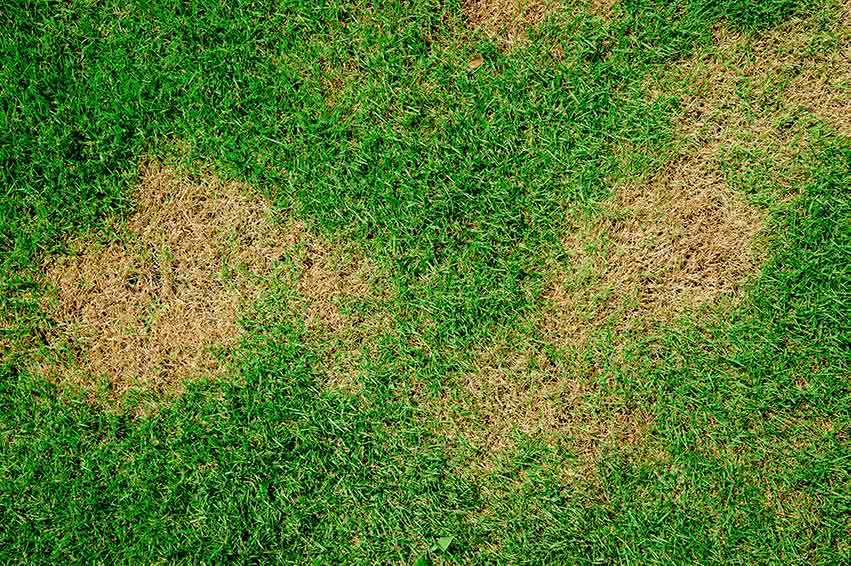
Fungal diseases and other turf diseases can cause yellowing, discoloration, thinning, and irregular patches. Disease problems may become more noticeable when conditions are warm, humid, or consistently wet.
Unlike general nutrient deficiencies, disease-related discoloration may appear in distinct patterns or develop alongside other symptoms. Treating the wrong problem can allow the disease to continue spreading.
Extreme heat, drought, excessive rain, temperature changes, and other environmental conditions can temporarily affect lawn color. Grass may become yellow when it cannot maintain normal growth under stressful conditions, even when the lawn is otherwise healthy.
Some turf naturally enters a period of dormancy during unfavorable weather. In other situations, environmental stress can weaken the grass enough to make it more susceptible to pests, disease, and other problems.
Q: Why Is My Grass Turning Yellow Even Though I Water It?
A: Yellow grass can result from overwatering, poor drainage, nutrient deficiencies, compacted soil, pests, disease, or environmental stress. Watering alone will not correct every cause.
Q: Can Too Much Fertilizer Make Grass Yellow?
A: Yes. Excess fertilizer can stress or burn turf, particularly when it is applied at an incorrect rate or under unfavorable conditions.
Q: How Can I Tell If Yellow Grass Needs More Water?
A: Check the soil moisture and look for other signs of drought stress. If the soil is already consistently wet, additional watering may make the problem worse.
Q: Does Yellow Grass Always Mean There Is a Problem?
A: Not necessarily. Seasonal conditions and temporary environmental stress can cause grass to lose some of its color. Persistent or worsening yellowing deserves closer attention.
Q: Can Lawn Aeration Help With Yellow Grass?
A: Aeration can help when compaction is contributing to poor root growth. It improves pathways for air, water, and nutrients to reach the roots.
Q: Should I Fertilize Yellow Grass?
A: Fertilizing may help when a nutrient deficiency is responsible, but yellowing can have many causes. Identifying the underlying problem first helps prevent unnecessary or ineffective treatments.


If you are looking for a reliable lawn care company in Lafayette & Baton Rouge, then look no further. Brothers Lawn Service & Landscaping is your full-service lawn care expert and we promise a 100% satisfaction guaranteed! We ensure the quality of our service by providing personal attention to each and every lawn.