
Last Updated On:
April 29, 2026
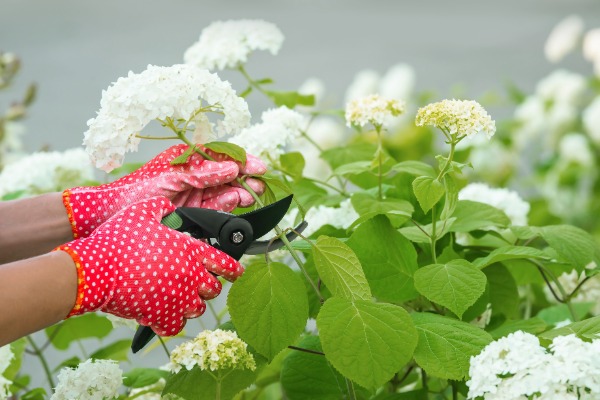
The best time to trim and prune shrubs depends more on the plant’s growth cycle than the calendar season. Because of Louisiana’s warm climate and extended growing season, many shrubs should be pruned either immediately after flowering or during brief slow-growth periods in late winter, rather than relying on a single universal timeframe.
Trimming at the wrong time in the year can reduce blooms, trigger excessive stress during heat, or leave plants more vulnerable to pests and disease. Let’s learn more about when you should trim your shrubs in Louisiana.
For a large number of shrubs grown in Louisiana landscapes, especially those that bloom in early spring, the best time to prune is right after they finish flowering. These shrubs typically develop their flower buds on old wood, meaning the buds are formed during the previous growing season. Pruning too early in the year can remove those buds before they ever have a chance to bloom.
Trimming shortly after flowering allows you to give the shrub plenty of time to recover and set new buds for the following year. This timing also allows for controlled shaping without interfering with the plant’s natural bloom cycle. In Louisiana’s long growing season, this approach supports both healthy structure and consistent flowering performance year after year.
In a region like Louisiana, pruning based on how a plant grows is far more reliable than sticking to a fixed calendar date. Because shrubs can stay active for much of the year, understanding when they produce buds, flowers, and new shoots helps guide better decisions.
Routine maintenance still matters year-round. If you spot damaged or diseased branches, those should be removed promptly no matter the season. Beyond that, timing your trimming around growth patterns leads to more predictable and beneficial results. Some of the main advantages include:
Even with good timing, pruning decisions should always take the plant’s condition into account. Branches that are dead, weakened, or diseased should be removed as soon as they’re noticed. Leaving them in place can lead to further decline and may invite pests or disease to spread.
Overcrowding is another common issue, especially in Louisiana where plants grow quickly. When shrubs become too dense, air has a harder time moving through the canopy, and sunlight struggles to reach the interior. This can create damp, shaded conditions that encourage fungal problems. Thinning out excess growth helps open things up and keeps the plant healthier overall.
It’s also important to consider how and when a shrub blooms. Those that flower on older growth should be pruned after blooming, while varieties that produce flowers on new growth are usually better candidates for late-winter or early-spring trimming.
Good pruning comes down to technique. Using sharp, well-maintained tools helps create clean cuts that heal more efficiently. Rough or uneven cuts can slow recovery and make the plant more vulnerable to issues, especially in humid conditions.
Start by clearing out any dead or damaged branches, then move on to areas where growth is too crowded or competing. Branches that cross or rub against each other should be removed to prevent long-term damage. Opening up the center of the shrub is particularly helpful in Louisiana, where improved airflow can make a big difference in reducing moisture-related problems.
It’s also important not to overdo it. Taking off too much at once can weaken the plant and lead to inconsistent regrowth. Limiting pruning to a reasonable portion of the shrub at a time helps maintain stability and encourages steady recovery.
Different trimming goals call for different approaches. Knowing which type of cut to use helps you shape shrubs effectively while keeping them healthy.
Having the right tools and a thoughtful approach can make a big difference in how shrubs respond to pruning. Paying attention to technique helps improve both appearance and long-term health.
Keep the following tips in mind when trimming shrubs:
Q: Can shrubs be trimmed during summer in Louisiana?
A: Minor touch-ups are usually fine, but heavy pruning during peak summer should be avoided. Heat and humidity can make recovery more difficult and increase stress on the plant.
Q: What happens if I trim shrubs too late in the fall?
A: Late-season trimming can trigger new growth that doesn’t have enough time to mature, leaving it more vulnerable to cooler temperatures and potential damage.
Q: Are there shrubs that should not be trimmed in late winter?
A: Yes. Shrubs that develop their blooms on older growth should not be pruned in late winter, since this can remove flower buds before they open.
Q: How can I tell when a shrub is done flowering?
A: Once the blooms have faded and begun to drop off naturally, it’s generally safe to prune flowering shrubs that bloom on older wood.
Q: Is it okay to trim shrubs every year?
A: In most cases, yearly pruning is beneficial when done correctly. It helps maintain shape, encourages healthy growth, and prevents overcrowding.
Q: Should I hire a professional to trim my shrubs?
A: For larger or more established shrubs, professional pruning can be helpful. Proper timing and technique can make a noticeable difference in long-term plant health.


If you are looking for a reliable lawn care company in Lafayette & Baton Rouge, then look no further. Brothers Lawn Service & Landscaping is your full-service lawn care expert and we promise a 100% satisfaction guaranteed! We ensure the quality of our service by providing personal attention to each and every lawn.