
Last Updated On:
June 27, 2026
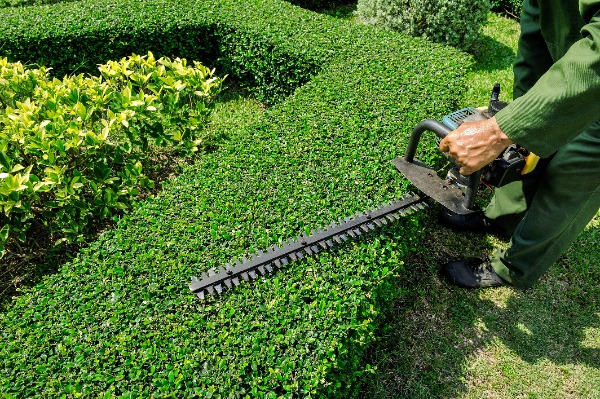
Many homeowners use the terms trimming and pruning interchangeably, but they actually describe two different maintenance practices. While both involve removing branches, each serves a unique purpose. Trimming is primarily performed to improve appearance and control size, whereas pruning focuses on the long-term health and growth of the shrub.
The easiest way to distinguish trimming from pruning is by considering the goal behind the work. Trimming is generally cosmetic. It keeps shrubs tidy, prevents them from becoming overgrown, and maintains a desired shape.
Pruning, however, is much more selective. It removes specific branches that interfere with healthy growth, allowing the shrub to develop a stronger structure. Both practices are valuable, but they solve different problems.
Trimming is best for:
Pruning requires a careful inspection of the shrub before making any cuts. Rather than shortening every branch, individual stems are removed to improve the plant from the inside out.
This process may involve eliminating broken limbs, branches rubbing against one another, old woody growth, or stems growing toward the center of the shrub. Removing these problem areas allows more sunlight and air circulation throughout the plant while encouraging vigorous new growth.
When performed correctly, pruning can extend the life of shrubs and help them recover from years of neglect.
Even healthy shrubs eventually lose their shape as new growth develops throughout the growing season. Trimming keeps this growth under control and prevents shrubs from overwhelming nearby plants, sidewalks, or windows.
Many evergreen hedges and ornamental shrubs respond well to periodic trimming because it maintains clean lines and consistent spacing throughout the landscape. Without occasional trimming, shrubs may become uneven, block visibility, or begin crowding surrounding landscape features.
Benefits of routine trimming include:
Not every shrub simply needs a haircut. Sometimes the issue lies deeper within the plant. Older shrubs often develop dead wood, weak stems, or crowded interiors that trimming alone cannot correct. In these situations, pruning becomes much more beneficial because it addresses the underlying condition instead of simply cutting the outside.
Shrubs may benefit from pruning if you notice:
Although trimming and pruning both involve cutting branches, they are not always performed at the same time of year. Light trimming can often be completed several times during the growing season to maintain appearance. Pruning schedules depend more heavily on the type of shrub.
Many flowering varieties should be pruned shortly after blooming, while numerous deciduous shrubs benefit from pruning during dormancy. Performing either service at the wrong time can remove developing flower buds or stimulate new growth just before harsh weather arrives.
Some homeowners only trim their shrubs every year, while others focus exclusively on pruning. In reality, healthy landscapes usually require both.
Think of trimming as routine maintenance and pruning as preventative care. Trimming preserves appearance from season to season, while pruning helps shrubs remain vigorous and structurally sound over the long term.
Combining both methods produces shrubs that are not only attractive but also healthier and more resilient.
Shrubs are surprisingly forgiving, but repeated maintenance mistakes can eventually weaken even mature plants.
Some of the most common problems include trimming too aggressively, removing large portions of growth at once, neglecting dead branches, or repeatedly shearing shrubs without ever thinning the interior.
Avoid these common mistakes:
Shrubs continue growing year after year, and their needs change as they mature. Establishing a regular maintenance schedule that includes both trimming and pruning helps plants stay healthy while preserving the overall design of your landscape.
Professional shrub care ensures each plant receives the appropriate service at the proper time rather than applying the same approach to every shrub. With routine maintenance, your landscape remains attractive, healthier, and easier to manage throughout the year.
Q: Is pruning the same thing as trimming?
A: No. Trimming is primarily used to maintain a shrub's size and appearance, while pruning removes selected branches to improve health, structure, and future growth.
Q: How often should shrubs be trimmed?
A: Fast-growing shrubs may need trimming several times each growing season, while slower-growing varieties often require only one or two touch-ups annually.
Q: When is the best time to prune shrubs?
A: It depends on the species. Many deciduous shrubs are pruned while dormant, whereas flowering shrubs are often pruned shortly after they finish blooming.
Q: Can trimming improve the health of a shrub?
A: Light trimming improves appearance, but pruning has a much greater impact on overall plant health by removing unhealthy or overcrowded branches.
Q: Will pruning encourage new growth?
A: Yes. Proper pruning stimulates healthy new shoots and helps shrubs develop stronger branching over time.
Q: Should every shrub receive both trimming and pruning?
A: In most landscapes, yes. Periodic trimming maintains appearance, while occasional pruning supports long-term health and prevents structural problems from developing.


If you are looking for a reliable lawn care company in Lafayette & Baton Rouge, then look no further. Brothers Lawn Service & Landscaping is your full-service lawn care expert and we promise a 100% satisfaction guaranteed! We ensure the quality of our service by providing personal attention to each and every lawn.