
Last Updated On:
May 26, 2026
Homeowners can unknowingly create problems by mowing immediately after watering or irrigating right before cutting the grass. Wet lawns are more difficult to mow properly, and soaked conditions can leave behind damage that affects grass health long after mowing is finished.
In most cases, it’s better to water your lawn after mowing rather than before. Cutting dry grass allows mower blades to make cleaner cuts, reduces soil damage, and helps prevent clumping. Once mowing is complete, watering can then provide moisture that helps the lawn recover from the stress of being cut. Timing irrigation correctly around mowing plays a major role in maintaining the health of your grass.
Grass may look tough, but it reacts to mowing and watering schedules more than most people realize. Mowing removes part of the leaf blade that the grass uses to absorb sunlight and produce energy. Watering affects how firm the soil is, how upright the grass blades stand, and how vulnerable the lawn is to disease.
When lawns are watered at the wrong time before mowing, grass blades become slick and heavy while soil softens underneath the mower. This combination often leads to ragged cuts, wheel marks, and excess stress on the turf. On the other hand, watering after mowing allows the lawn to absorb moisture once the grass has already been trimmed cleanly.
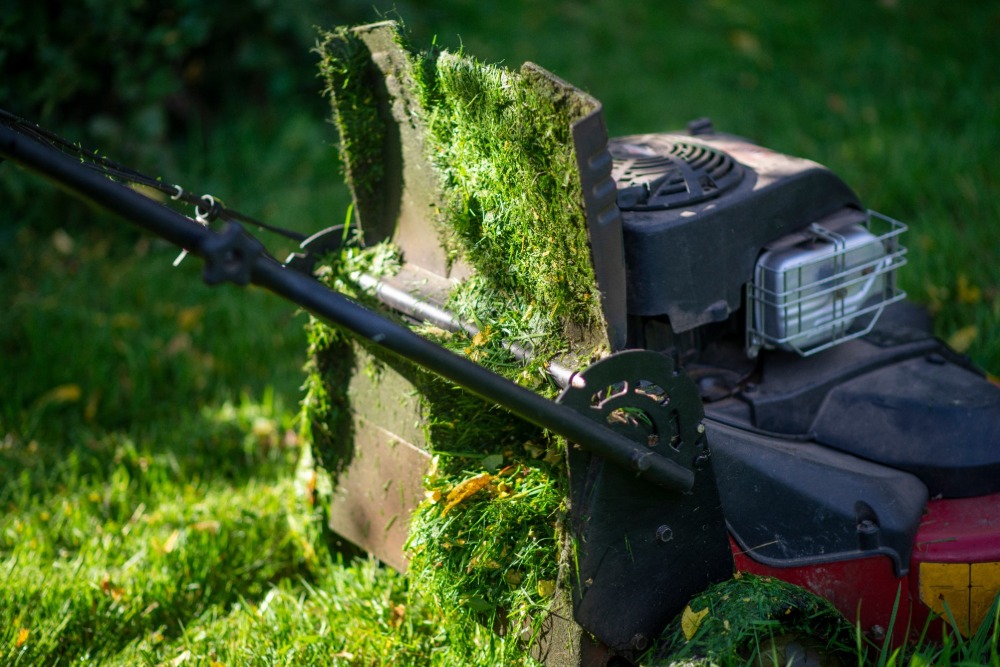
Watering before mowing usually creates conditions that work against both the mower and the lawn itself. Wet grass bends over instead of standing upright, which makes it harder for mower blades to cut evenly. Instead of slicing cleanly, the mower may tear the grass, leaving jagged edges that brown more quickly and heal more slowly.
Soft, damp soil also becomes vulnerable to compaction from mower tires. Heavy equipment rolling across wet ground can leave ruts and compress the soil around roots, limiting airflow and water movement below the surface.
Another issue is grass clumping. Wet clippings stick together and collect beneath the mower deck, often leaving piles across the lawn that block sunlight and trap moisture against the grass surface.
Common problems caused by mowing after watering:
There are situations where watering before mowing may be acceptable, but timing becomes extremely important. If a lawn is severely drought-stressed and the soil is extremely dry, light watering several hours before mowing may help reduce stress on the turf. However, the grass should still be completely dry before the mower touches it.
The key difference is allowing enough drying time between irrigation and mowing. Early morning watering followed by late-morning mowing can sometimes work well during hot summer weather because the lawn has time to dry while still benefiting from hydration earlier in the day.
What should generally be avoided is mowing immediately after sprinklers run or cutting grass while visible moisture remains on the blades.
Watering after mowing gives grass an opportunity to recover once the cutting process is complete. Freshly cut grass benefits from moisture because water helps regulate plant stress and supports continued growth after leaf tissue has been removed.
Post-mowing watering also allows irrigation to reach the soil more effectively. Shorter grass improves penetration and reduces excess moisture lingering on the leaf surface for long periods.
Another advantage is appearance. Dry mowing produces a cleaner finish with fewer clippings and smoother striping. Once the lawn is cut evenly, watering can then hydrate the turf without interfering with mowing quality.
Benefits of watering after mowing:
Weather conditions can influence the ideal order of mowing and watering. During cooler seasons, lawns usually remain moist longer, so waiting for grass to dry before mowing becomes even more important. In humid weather, wet grass may stay damp for hours and create ideal conditions for fungal diseases if cut too soon.
During summer heat, some homeowners try to water immediately before mowing to cool the lawn down. Unfortunately, this often causes more harm than good unless the grass has sufficient time to dry afterward.
In drought conditions, it may help to mow slightly higher and water deeply afterward to reduce stress on the turf. The goal is always to avoid combining mowing with saturated conditions whenever possible.
Different turfgrass varieties recover from mowing stress at different rates. Cool-season grasses such as tall fescue and Kentucky bluegrass typically benefit from consistent moisture after mowing, especially during warm weather. These grasses can struggle during heat and often recover better when watered after being cut.
Warm-season grasses like Bermudagrass and Zoysiagrass tolerate heat more effectively, but they still perform best when mowing is done on dry turf. Even durable warm-season lawns can develop disease issues if repeatedly mowed while wet. Regardless of grass type, dry mowing conditions paired with proper watering afterward usually produce the healthiest long-term results.
The condition of the lawn after mowing is heavily influenced by moisture levels. Dry grass stands upright and cuts evenly, creating a smoother and more uniform appearance across the yard. Wet lawns often look messy after mowing because clippings clump together and tire tracks become visible.
Over time, consistently mowing dry grass and watering afterward can improve turf density, color, and overall appearance. Lawns tend to grow more evenly and experience fewer stress-related issues when mowing and irrigation schedules work together rather than against each other.
Q: Should I turn off sprinklers before mowing?
A: Yes. It’s best to avoid watering immediately before mowing so the grass has time to dry fully.
Q: How long should I wait to mow after watering?
A: Wait until the grass blades and soil surface are dry enough to prevent clumping and rutting.
Q: Is it good to water right after mowing?
A: In most cases, yes. Watering after mowing can help the lawn recover from stress.
Q: Can mowing wet grass damage the lawn?
A: Yes. Wet mowing can tear grass blades, compact soil, and spread fungal diseases.
Q: What if my lawn is drought-stressed before mowing?
A: Light watering ahead of time may help, but the lawn should still dry before mowing begins.
Q: Does watering schedule matter as much as mowing height?
A: Both are important. Proper watering and mowing practices work together to support healthier turf growth.


If you are looking for a reliable lawn care company in Lafayette & Baton Rouge, then look no further. Brothers Lawn Service & Landscaping is your full-service lawn care expert and we promise a 100% satisfaction guaranteed! We ensure the quality of our service by providing personal attention to each and every lawn.