
Last Updated On:
September 25, 2026
Fertilizing a lawn can look like an easy weekend project. Pick up a bag of fertilizer, spread it across the grass, and wait for the results. In reality, effective lawn fertilization involves more than simply applying nutrients. The right product, application rate, timing, and coverage can all affect how your lawn responds.
Homeowners can certainly fertilize their own lawns, but getting consistent results can be difficult without knowing what the grass and soil actually need. A professional lawn care service can create a treatment plan based on your lawn's specific conditions.
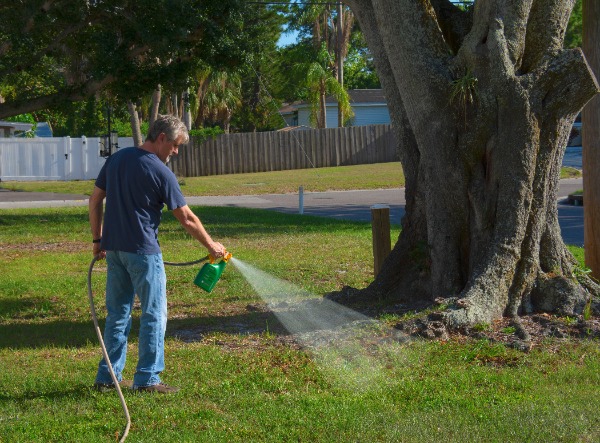
One of the biggest challenges with DIY fertilization is knowing exactly how much fertilizer to use. Applying too little may not provide enough nutrients, while applying too much can stress or damage the grass. Uneven applications can also leave some areas under-treated and others with excessive fertilizer.
Without experience, it can be easy to overlook one or more of these factors. There are several factors to consider before spreading fertilizer, including:
Not every lawn needs the same fertilizer. Different grasses have different nutritional requirements, and soil conditions can influence which nutrients are most important. A fertilizer that works well for one lawn may not be appropriate for another.
Products contain different combinations of nutrients and release them at different rates. Some are designed for specific seasons or grass types, while others may contain additional ingredients intended for weed control or other purposes. Choosing a product simply because it is marketed as a lawn fertilizer does not necessarily mean it is the right choice for your property.
Even after selecting an appropriate fertilizer, applying the correct amount can be challenging. Spreaders need to be calibrated properly, and walking speed can affect how much product reaches the lawn.
Overlapping passes can put too much fertilizer in certain areas, while missed sections may receive little or none. These inconsistencies can contribute to uneven growth and visible differences throughout the lawn. Professionals have the equipment and experience needed to apply fertilizer more consistently across the property.
Fertilizing at the wrong time can make a treatment less effective. Grass has different nutritional needs throughout the growing season, and weather can also affect how nutrients are used by the turf.
Applying fertilizer before heavy rain, during inappropriate growing conditions, or at the wrong point in the season can reduce its effectiveness and may increase the chance of nutrients moving away from the areas where they are needed. A professional lawn care provider can schedule applications around seasonal turf needs and local growing conditions instead of relying on a one-size-fits-all calendar.
Fertilizer is not a cure-all for every lawn problem. Thin grass, discoloration, weak growth, and bare areas can have many possible causes. Poor soil conditions, insects, disease, weeds, drought stress, and improper mowing can all affect the appearance of turf.
If you assume a nutrient deficiency is responsible and apply more fertilizer, you may not address the actual problem. Professional lawn care providers can evaluate the condition of the turf and consider other potential causes before recommending a treatment. This can help prevent unnecessary applications and make the overall lawn care program more targeted.
DIY fertilization may be manageable for homeowners who have a smaller lawn, understand their grass and soil, and are comfortable measuring and applying products correctly. However, professional service can be especially useful when maintaining a larger property or when the lawn has recurring problems.
Professional fertilization can provide:
The decision to fertilize your lawn yourself ultimately depends on how comfortable you are managing the process. While DIY lawn fertilization can be done successfully, effective results require more than purchasing a bag of fertilizer and spreading it over the grass.
Professionals understand how fertilizer selection, application rates, timing, soil conditions, and turf health work together. For homeowners who want a consistent lawn care routine without having to manage every detail themselves, professional fertilization can simplify the process and help keep the lawn properly nourished throughout the growing season.
Q: Can I Fertilize My Lawn Myself?
A: Yes, homeowners can fertilize their own lawns, but proper product selection, timing, application rates, and spreader settings are important. Mistakes in any of these areas can lead to poor results or damage to the turf.
Q: How Often Should I Fertilize My Lawn?
A: The ideal fertilization schedule depends on the grass type, climate, soil conditions, and time of year. A professional lawn care provider can develop a schedule based on the specific needs of your turf.
Q: What Happens If I Apply Too Much Fertilizer?
A: Applying too much fertilizer can stress or burn grass and may create uneven growth. Excess nutrients can also move away from the lawn, particularly when heavy rain or improper watering occurs.
Q: Do I Need A Soil Test Before Fertilizing?
A: A soil test can provide useful information about nutrient levels and soil conditions. Testing can help determine whether your lawn actually needs additional nutrients and which treatments may be appropriate.
Q: Why Is Professional Lawn Fertilization More Consistent?
A: Professionals have experience selecting products, calculating application rates, calibrating equipment, and timing treatments. This helps provide more even coverage and reduces the risk of common DIY fertilization mistakes.
Q: Is Professional Lawn Fertilization Worth It?
A: Professional fertilization can be helpful for homeowners who want a consistent lawn care program without having to research products, calculate application rates, monitor seasonal timing, and perform treatments themselves.


If you are looking for a reliable lawn care company in Lafayette & Baton Rouge, then look no further. Brothers Lawn Service & Landscaping is your full-service lawn care expert and we promise a 100% satisfaction guaranteed! We ensure the quality of our service by providing personal attention to each and every lawn.