
Last Updated On:
June 27, 2026
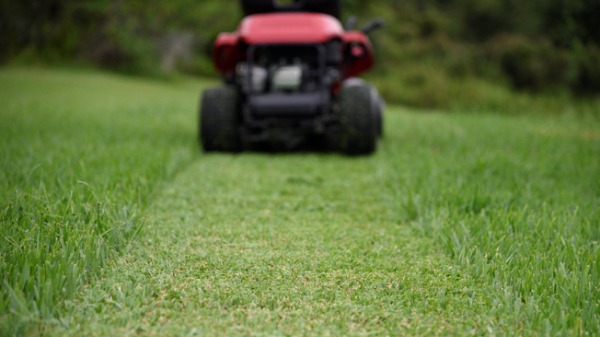
Keeping your lawn mowed is one of the most important parts of maintaining an attractive property, but not everyone approaches the job the same way. Some homeowners enjoy mowing their own grass every weekend, while others prefer hiring professionals to handle the work.
Neither option is automatically right or wrong. The best choice depends on your schedule, budget, lawn size, equipment, and long-term goals for your landscape. Keep reading to help you decide which lawn mowing option is right for you!
Many people think mowing simply means shortening the grass, but proper mowing involves much more than driving a mower across the yard. The height of each cut, mowing frequency, blade sharpness, and mowing pattern all influence the overall health of your lawn.
Grass that is consistently maintained at the proper height develops deeper roots, withstands drought more effectively, and naturally resists many weeds. Poor mowing habits, on the other hand, can stress the lawn and make it more susceptible to disease, insects, and thinning.
Whether you mow yourself or hire a professional, consistency is one of the biggest factors in achieving a healthy lawn.
Proper Mowing Helps:
For many homeowners, mowing is a manageable weekend task that provides complete control over how the lawn is maintained. You decide when to mow, how short to cut the grass, and which areas deserve extra attention.
If you already own quality equipment and enjoy outdoor work, handling your own mowing can be a practical option. It also allows you to inspect your landscape regularly and spot developing problems before they become serious.
However, DIY mowing also comes with responsibilities, including equipment maintenance, fuel costs, blade sharpening, and investing your own time every week during the growing season.
Professional lawn mowing services provide much more than convenience. Experienced crews understand proper mowing practices and use commercial-grade equipment designed to produce cleaner, more consistent results.
Rather than squeezing lawn care into an already busy schedule, homeowners can rely on recurring service that keeps their property looking its best throughout the season.
Professionals also recognize early signs of lawn stress, disease, irrigation issues, or pest activity that might otherwise go unnoticed until significant damage has occurred.
Benefits Of Professional Lawn Mowing Include:
At first glance, mowing your own lawn often appears to be the less expensive option. After all, once you've purchased a mower, you're only paying for fuel and occasional maintenance.
However, the long-term costs can add up. Routine maintenance, replacement parts, repairs, storage, and eventually replacing the mower itself all become part of the investment. Even more valuable is the amount of personal time spent mowing every week.
Professional lawn mowing shifts those responsibilities to someone else. While there is an ongoing service cost, many homeowners find the convenience and consistent results well worth the investment.
There are plenty of situations where mowing your own lawn is a perfectly reasonable choice.
Homeowners with smaller properties, flexible schedules, and an interest in lawn care often enjoy maintaining their own yards. Those who already own dependable equipment and don't mind routine maintenance can save money while staying actively involved in caring for their landscape. DIY mowing may be ideal if you:
Not every homeowner has the time or desire to mow consistently throughout the growing season. Larger properties, busy work schedules, physical limitations, or rapidly growing lawns can quickly turn mowing into a difficult chore.
Professional lawn care becomes especially valuable when consistency matters. Missing several weeks between cuts or mowing too much at one time can place unnecessary stress on the grass. Hiring a professional may be the better option if you:
Even homeowners with good intentions can unknowingly damage their lawns through improper mowing habits.
Cutting the grass too short, mowing with dull blades, waiting too long between cuts, or mowing during extreme heat can weaken healthy turf over time. These mistakes often lead to brown patches, shallow roots, increased weeds, and slower recovery from summer stress.
Avoid these common mowing mistakes:
There isn't a universal answer to whether professional lawn mowing or DIY is better. The right decision depends on how much time you have available, your comfort with lawn maintenance, and the level of appearance you want to achieve.
Many homeowners begin by mowing their own lawns but eventually switch to professional service as their schedules become busier or their landscaping becomes more demanding. Others enjoy the satisfaction of maintaining their own property year after year.
Regardless of which option you choose, consistent mowing practices remain one of the most important factors in keeping your lawn thick, healthy, and attractive throughout the growing season.
Q: Is professional lawn mowing worth the cost?
A: For many homeowners, yes. Professional mowing saves time, provides consistent results, and eliminates the need to maintain expensive mowing equipment.
Q: How often should a lawn be mowed?
A: Most lawns benefit from mowing about once per week during active growth, although weather, rainfall, and grass species may require adjustments.
Q: Does mowing too short damage the lawn?
A: Yes. Scalping removes too much leaf tissue, weakens the grass, exposes soil to sunlight, and encourages weeds while increasing drought stress.
Q: What are the benefits of commercial mowing equipment?
A: Commercial mowers generally produce a cleaner cut, operate more efficiently on larger properties, and handle uneven terrain better than many residential machines.
Q: Can I alternate between mowing myself and hiring a professional?
A: Absolutely. Many homeowners mow when they have time and schedule professional service during vacations, busy seasons, or periods of rapid grass growth.
Q: Do lawn mowing companies do more than just mow?
A: Many professional lawn care providers also perform edging, trimming, blowing debris from hard surfaces, and can recommend additional services such as fertilization, weed control, aeration, or overseeding to improve lawn health.


If you are looking for a reliable lawn care company in Lafayette & Baton Rouge, then look no further. Brothers Lawn Service & Landscaping is your full-service lawn care expert and we promise a 100% satisfaction guaranteed! We ensure the quality of our service by providing personal attention to each and every lawn.