
Last Updated On:
May 26, 2026
Lawn fertilization in Louisiana is heavily shaped by the state’s long growing season, frequent rain, intense humidity, and extended summer heat. Unlike regions with short periods of active growth, Louisiana lawns often grow aggressively for most of the year, which means fertilization timing must match both the grass type and the changing weather conditions.
Successful fertilization plans in Louisiana depend on monitoring rainfall, soil moisture, temperature patterns, and seasonal growth throughout the year. Keep reading to learn more about the effects of Louisiana’s weather on lawn fertilization needs.
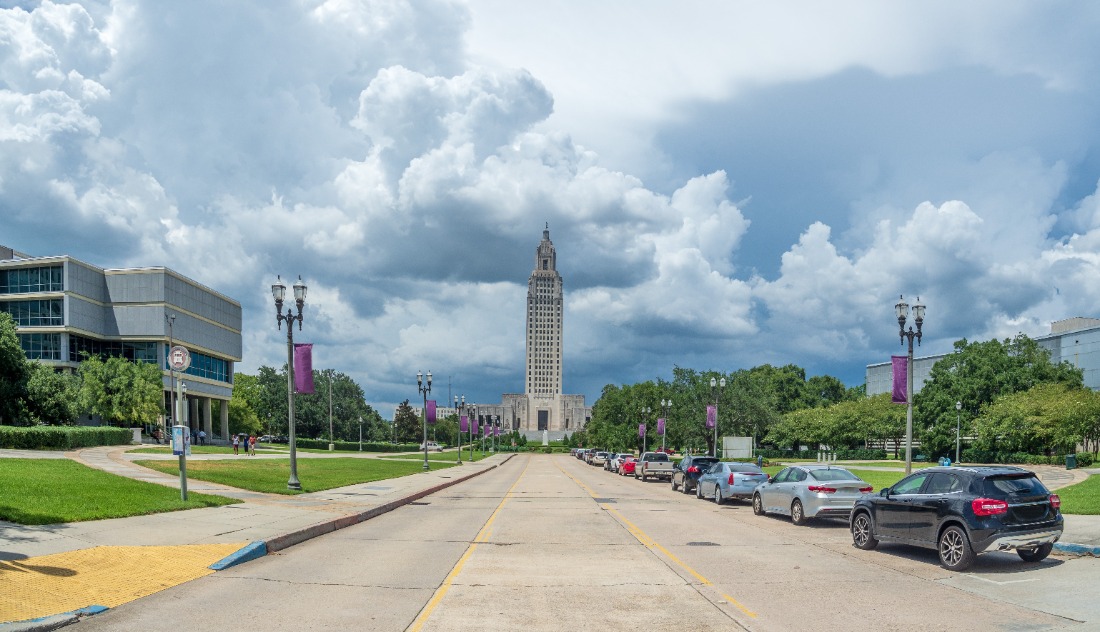
The environment in Louisiana is very different from drier or cooler parts of the country. Warm-season grasses such as Bermudagrass, centipedegrass, St. Augustinegrass, and Zoysiagrass thrive in the region’s heat and humidity, but they also respond quickly to weather fluctuations.
Heavy rain can wash nutrients below the root zone before grass has time to absorb them. Long stretches of humidity can increase fungal activity, especially when lawns are overfertilized. At the same time, extreme summer heat can place turf under stress even while the grass is actively growing. Because of these conditions, fertilizer applications in Louisiana often require more careful timing and balance than homeowners expect.
Spring is when Louisiana lawns begin waking up rapidly after winter dormancy. Soil temperatures warm early compared to many states, which causes warm-season turf to green-up quickly and begin active growth.
One common mistake is fertilizing too early in the season before the lawn has fully emerged from dormancy. Early applications can encourage weak top growth before the roots are fully active. Spring rain also affects fertilizer performance, as frequent downpours can dilute or wash away nutrients if applications are made immediately before storms. Timing treatments around rainfall forecasts helps nutrients move into the soil gradually rather than being lost through runoff.
Although warm-season grasses are adapted to heat, Louisiana summers can still become difficult on lawns because of high humidity and prolonged temperatures. During the hottest parts of summer, grass may slow its growth even when moisture is available.
Applying excessive fertilizer during periods of extreme heat can overstimulate the lawn and create additional stress. Rapid top growth requires more mowing, more water, and more energy from the grass at a time when environmental conditions are already demanding.
Controlled fertilizer applications are often safer during summer, especially when paired with proper watering practices. Slow-release products are commonly preferred because they feed the lawn steadily without forcing aggressive growth during stressful weather. Summer lawn feeding in Louisiana is affected by:
One factor unique to Gulf Coast lawn care is hurricane season. Tropical systems and extended rain events can dramatically alter fertilization schedules across Louisiana. Applying fertilizer immediately before major storms is usually avoided because excessive rainfall may wash nutrients away before they can benefit the turf.
Saturated soil conditions can also limit oxygen around the roots and place additional stress on the lawn. After severe storms, lawns sometimes need recovery time before fertilization resumes. Flooding, standing water, and soil erosion can all impact nutrient availability and turf health.
While Louisiana winters are relatively mild, fall still plays a major role in lawn health. As temperatures gradually cool, warm-season grasses begin slowing their top growth while continuing to build and maintain root systems below the surface.
Fall fertilization is often designed to strengthen the lawn rather than produce rapid leaf growth. Balanced nutrient applications during this period can help turf recover from summer stress and improve its durability heading into winter dormancy.
Cooler temperatures also reduce some of the disease pressure associated with Louisiana’s humid summers, making fall one of the more stable periods for lawn care treatments. Benefits of fall fertilization in Louisiana include:
Louisiana winters are milder than many northern climates, but grass growth still slows significantly during the colder months. Fertilizing dormant turf provides little benefit because nutrient uptake decreases as growth slows.
Winter weather patterns can also be unpredictable. Sudden warm spells may briefly stimulate growth, while cold snaps can damage tender new tissue if fertilizer was applied too late in the season. Even though active fertilization often pauses during winter, weather conditions during this time still influence how lawns perform once spring returns.
Lawns respond more effectively when fertilization schedules adapt to weather conditions rather than fixed dates alone. Watching rainfall patterns, monitoring soil moisture, and adjusting applications around heat or storms can significantly improve nutrient absorption and reduce lawn stress.
In Louisiana, where weather changes quickly and growing conditions remain active for much of the year, flexibility is one of the most important parts of successful lawn care. Fertilization plans that account for climate conditions generally produce stronger color, healthier roots, and more resilient turf over time.
Q: When should lawns in Louisiana receive their first fertilizer application?
A: It’s usually best to wait until warm-season grass has fully greened up and entered active growth in spring.
Q: Can too much rain affect lawn fertilizer?
A: Yes. Heavy rainfall can wash nutrients away before they are absorbed into the soil.
Q: Is summer fertilization safe in Louisiana?
A: It can be, but lighter applications and proper watering are important during periods of extreme heat.
Q: Why is slow-release fertilizer often recommended?
A: Slow-release products provide nutrients gradually, which helps reduce stress and excessive top growth.
Q: Should fertilizer be applied before a tropical storm?
A: Generally, no. Excessive rain can lead to runoff and reduce fertilizer effectiveness.
Q: Does Louisiana’s mild winter mean lawns should be fertilized year-round?
A: Not necessarily. Most warm-season grasses still experience dormancy or slowed growth during winter months.


If you are looking for a reliable lawn care company in Lafayette & Baton Rouge, then look no further. Brothers Lawn Service & Landscaping is your full-service lawn care expert and we promise a 100% satisfaction guaranteed! We ensure the quality of our service by providing personal attention to each and every lawn.