
Last Updated On:
February 14, 2026
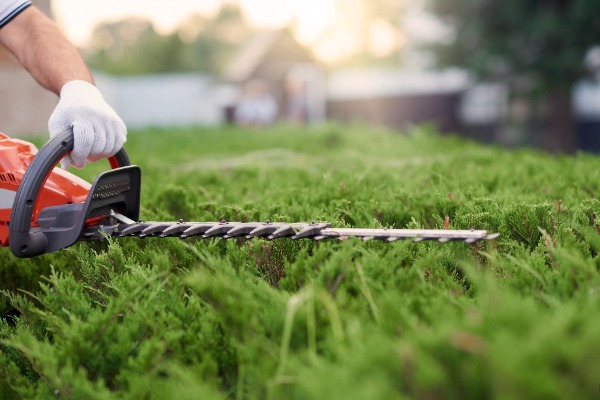
Unfortunately, when shrub trimming is done incorrectly, the damage isn’t always temporary. In many cases, improper pruning and trimming can permanently alter a shrub’s shape, reduce flowering for years, or even shorten its lifespan.
Understanding how trimming mistakes affect shrubs in Louisiana is critical for protecting your landscape investment. What may seem like a harmless cut today can turn into chronic disease issues, weak growth, or irreversible decline over time.
Bad trimming isn’t always obvious right away. Shrubs often respond with a burst of new growth, giving the impression that everything is fine. Over time, however, hidden structural problems begin to surface.
Incorrect cuts can disrupt a shrub’s natural growth pattern, forcing dense outer growth while the interior becomes woody and lifeless. This imbalance reduces airflow and light penetration, creating ideal conditions for disease and insect infestations. Once a shrub develops a weak internal framework, it becomes far more vulnerable to storm damage, which is a serious concern in hurricane-prone regions of Louisiana.
Many of the most damaging trimming habits come from trying to make shrubs look neat as quickly as possible, rather than trimming with plant health in mind. Techniques that seem efficient often work directly against long-term plant health.
Harmful trimming practices include:
Trimming shrubs looks deceptively simple, which is why many homeowners unintentionally cause long-term damage. Without understanding how different shrubs grow and respond to pruning, it’s easy to remove the wrong branches or cut at the wrong angle.
One of the most common DIY mistakes is repeatedly trimming only the outer surface of a shrub. This forces all new growth to the exterior while starving the interior of light and air. Another frequent error is aggressive cutting during late spring or summer, which exposes sensitive inner branches to intense sun, leading to sunscald and dieback.
Once shrubs develop poor internal structure or chronic disease issues from improper trimming, correcting the problem can take years, if recovery is possible at all.
Common DIY trimming mistakes include:
Shrubs that are repeatedly trimmed incorrectly often experience shortened lifespans. Instead of developing strong, balanced frameworks, they become dense, brittle, and disease-prone. This makes them more susceptible to storm breakage, pest infestations, and irreversible decline.
In Louisiana, where shrubs may face extreme weather events, poor structure is especially dangerous. Weak branch unions and top-heavy growth are far more likely to fail during high winds or heavy rainfall. Once major limbs break or rot sets in, shrubs rarely return to their original form.
Louisiana’s climate creates unique challenges for shrubs that don’t exist in cooler or drier regions. High humidity, frequent rainfall, and extended heat place plants under constant stress. When trimming is done improperly, shrubs have a much harder time recovering in these conditions.
Cuts that would heal quickly in a mild climate may stay open longer in Louisiana, allowing moisture-loving fungi and bacteria to enter. Improper timing can also force shrubs to push new growth during periods of extreme heat, draining stored energy and weakening the plant’s overall structure.
Professional landscapers understand how Louisiana’s climate affects shrub growth and recovery. Instead of focusing on quick visual results, professionals trim with long-term plant health in mind. They account for species type, seasonal timing, growth habits, and environmental stress before making a single cut.
Professional landscapers also know how to thin shrubs properly, encouraging healthy internal growth instead of surface-level density. Using precise cuts and strategic pruning techniques, professionals like Brothers Services reduce disease risk and guide shrubs toward stronger, more resilient forms.
Q: Can improper trimming actually kill a shrub?
A: Yes. Repeated poor trimming can weaken a shrub over time by disrupting its growth cycle, reducing energy reserves, and exposing it to disease. In Louisiana’s humid climate, damaged plants are especially vulnerable to rot and fungal infections that can eventually lead to plant death.
Q: How long does it take for trimming damage to show up?
A: Some damage appears within weeks, such as leaf burn or uneven regrowth, while structural problems may take months or even years to become obvious. Many shrubs decline gradually after repeated improper trimming rather than failing all at once.
Q: Are some shrubs more sensitive to trimming mistakes than others?
A: Absolutely. Flowering shrubs and native Louisiana species are often more sensitive to timing and cutting methods. Improper trimming can permanently reduce blooms or distort natural growth habits, making recovery difficult.
Q: Why does Louisiana’s humidity make trimming mistakes worse?
A: High humidity slows wound healing on cut branches and creates ideal conditions for fungi and bacteria. Improper cuts stay moist longer, increasing the likelihood of disease entering the plant before it can recover.
Q: Can a damaged shrub be fixed, or does it need to be replaced?
A: Minor damage can often be corrected over time with proper pruning techniques. However, shrubs that have been repeatedly over-trimmed or structurally compromised may never regain their original shape and may need replacement.
Q: How often should shrubs be trimmed to avoid long-term damage?
A: Trimming frequency depends on the shrub species and growth rate. In general, fewer, well-timed trims are far healthier than frequent, aggressive cutting, especially during Louisiana’s hot and humid seasons.


If you are looking for a reliable lawn care company in Lafayette & Baton Rouge, then look no further. Brothers Lawn Service & Landscaping is your full-service lawn care expert and we promise a 100% satisfaction guaranteed! We ensure the quality of our service by providing personal attention to each and every lawn.